

Manufacturing AI, Inspection, and Labor
Orange Hat Tech Summit 2026 included a manufacturing session with Caleb Knight of AI Tennessee at the University of Tennessee. This recording follows the summit introduction. The questions are practical. How is artificial intelligence different from the automation already on a plant floor, and what should an owner do with the answer?
Knight draws a clear line. Automation is built so a defined process can run on its own. People still set the scope and make the decision that process follows. AI is aimed at an outcome. You set the metrics. The system can then look inside an automated line and point to places where a closer review, a new method, or a different approval step might help. That is a different job from replacing a machine.
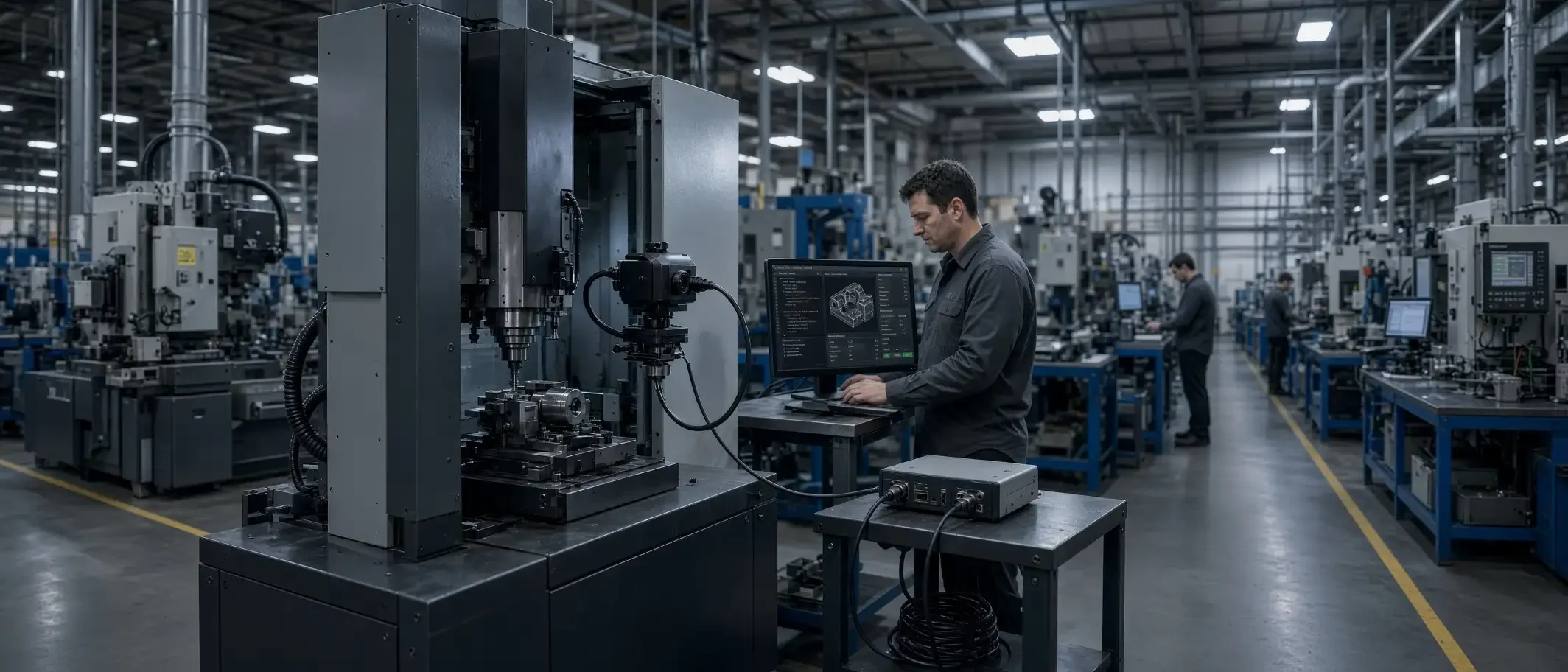
The session uses a quality-inspection example from Volkswagen’s Chattanooga plant, shared through AI Tennessee’s work with university researchers. The plant was spending heavily on vision systems and needed skills it had not hired for before. A low-cost, low-power vision approach on the edge was used to look for anomalies, including errors in vehicle identification numbers. Knight relays what the plant told the research team: a wrong VIN can draw a $10,000 fine, and that fine can be a large share of the vehicle’s cost. Tired inspectors and small errors get expensive. Off-the-shelf tools still have a place. A university project is one path when the problem needs a newer method, and it can also introduce graduate talent a manufacturer may later hire.
The close of the talk is about labor. Knight’s advice is not to bring in AI in order to remove the roles that do repetitive work. Use it on mundane, time-consuming tasks so people can apply their judgment and make the final call. New job types tend to follow the tool. Information technology was not a job category in the 1940s. Automotive manufacturing created more work than the horse-and-buggy trade it replaced. Owners in Oak Ridge, Knoxville, and the rest of East Tennessee can use this session to separate a real inspection or planning use from a tool that only adds noise.
Key Takeaways
Treat automation and AI as different jobs. Automation runs a process you already defined. AI is pointed at an outcome and a set of metrics.
Ask where an automated line still needs a person to review exceptions, not only where a machine can run unattended.
Quality inspection is a concrete starting point. The session describes edge vision used to flag anomalies, including VIN errors, before a small miss becomes a costly one.
Off-the-shelf tools are a valid first pass. A research partnership is for a problem the catalog does not solve, and it can also surface future technical hires.
Do not plan AI as a headcount cut. Identify mundane, time-consuming tasks, keep the decision with the person who knows the work, and use the time saved on the job they were hired to do.
Expect new roles. The session’s point is that the tool should raise the work, not erase the people doing it.