

What the Windows 11 27H2 Overhaul Means for Your Business
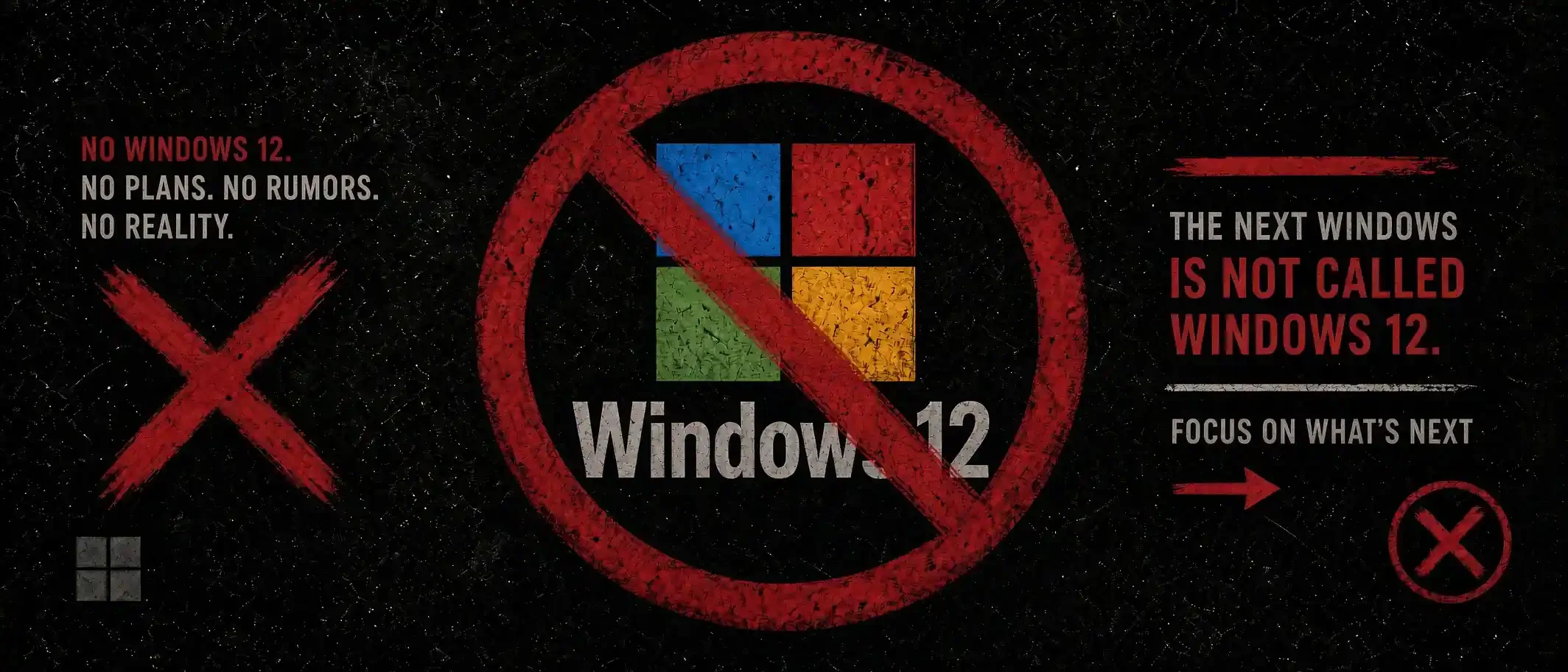
According to multiple reports published in early November 2026 (including The Verge, which cited sources familiar with Microsoft’s plans), the company is instead preparing Windows 11 version 27H2 as a major platform-level update for 2027. Unlike the lighter 25H2 and 26H2 releases, 27H2 is expected to be a full operating system swap—similar in scale to the 24H2 update from 2024.
The reported focus is quality, reliability, and performance rather than a new brand name or a large set of consumer-facing features. Microsoft has not officially confirmed 27H2 or ruled out Windows 12 branding later, so treat the details as well-sourced reporting rather than a final roadmap.
For businesses, this is largely good news. It reduces the risk of a disruptive generational upgrade while still delivering meaningful under-the-hood improvements.
What “Full OS Swap” Actually Means
Recent annual updates (25H2 and 26H2) were primarily enablement packages. These small updates activate features that had already been delivered through monthly cumulative updates.
A full OS swap like the one expected for 27H2 replaces or upgrades major system components. This is closer to how 24H2 was delivered. It requires more testing and a more careful rollout. Still, it also gives Microsoft room to address long-standing performance and reliability issues that have frustrated both consumers and IT teams.
Expected areas of improvement based on current reporting include:
Better memory management and overall responsiveness (especially on systems with 8 GB of RAM)
Platform-level performance and reliability work
Convergence of different Windows 11 platform branches (including devices that received the limited 26H1 release)
A new default wallpaper set (the long-running Bloom wallpaper is expected to be retired)
New features will continue to ship through the normal monthly update process rather than being held exclusively for the annual version release. This has been Microsoft’s approach for some time.
Why Microsoft Is Sticking with Windows 11
Launching a new numbered version creates real friction for businesses. Hardware requirements can tighten, application compatibility needs revalidation, and IT teams face longer planning and testing cycles. By continuing under the Windows 11 name while still delivering a major platform refresh, Microsoft appears to be prioritizing continuity and reduced upgrade risk.
This approach also avoids immediately starting a new end-of-support clock for the entire Windows 11 installed base. Each Windows 11 feature update still carries its own support period (typically 24 months for Home and Pro editions, 36 months for Enterprise and Education).
Current Support Realities You Should Act On Now
While 27H2 is the longer-term story, several shorter-term deadlines are already relevant:
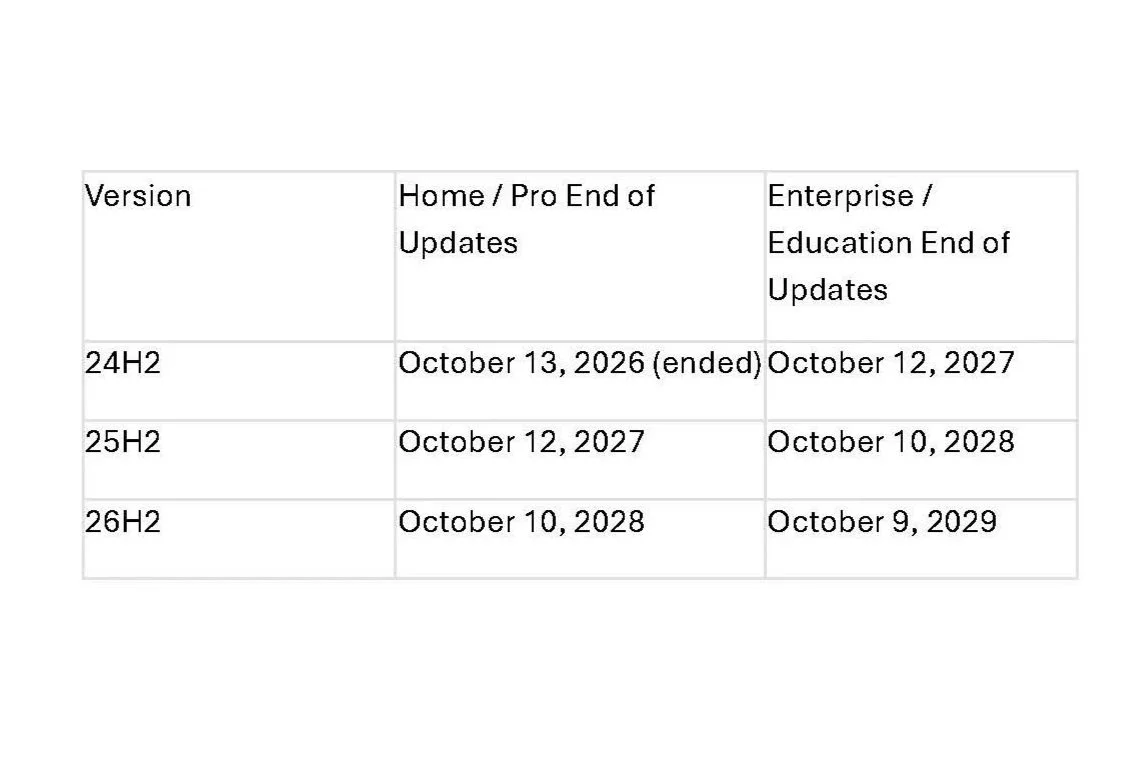
Windows 11 version 26H2 became generally available on September 29, 2026. For most organizations, moving eligible devices to 26H2 is the practical next step. It extends security update coverage and positions you on the current platform ahead of the larger 2027 refresh.
Devices still running 24H2 (especially Home and Pro editions) should be moved as soon as possible.
How Businesses Should Prepare for 27H2
Even though 27H2 is not expected until the second half of 2027, smart organizations start preparing early:
Inventory and standardize on 26H2
Know exactly which versions and editions are in use. Prioritize moving off 24H2 and any remaining older builds.Validate critical applications and hardware
A platform-level update increases the chance of compatibility issues with line-of-business applications, drivers, and specialized hardware. Begin or refresh compatibility testing now.Plan pilot and deployment rings
Expect a more substantial update than recent annual releases. Use Windows Update for Business, Intune, or your existing management tools to stage the rollout.Watch for official confirmation and Insider builds
Microsoft has not announced 27H2. Testing is expected to start earlier than the usual June window. Monitor the Windows Insider program and Microsoft’s official channels for concrete details.Review security and compliance baselines
Major platform changes can affect security configurations, endpoint protection, and compliance requirements (including CMMC, HIPAA, or other frameworks your organization follows).
The Bottom Line
There is no Windows 12 on the near-term horizon. Instead, businesses should expect a significant but evolutionary Windows 11 update in 2027 focused on improving the existing platform. The bigger near-term action is ensuring your devices are current on 26H2 and that your application and hardware validation processes are ready for a larger platform update next year.
Solomon IT helps organizations stay ahead of these changes with proactive Windows lifecycle management, compatibility testing, and managed update deployment. If you’d like a review of your current Windows estate or a plan for the 2027 refresh, contact us.